Ensuring Hygiene Standards in Barber Shops through Reliable Disinfection of Instruments
Wiki Article
Maintaining strong levels of cleanliness in hair salons is critical for shielding both patrons and personnel from likely diseases. Hair salons are settings where cutting tools and styling instruments interact with dermal layers, strands, and at times slight abrasions. This renders thorough cleaning and sanitation a critical practice to prevent the propagation of bacteria, infectious agents, and yeasts. By applying regular cleaning guidelines, stylists can maintain a cleaner setting, instill confidence in clients, and adhere with safety regulations that control licensed barber shops.
Effective disinfection of instruments begins with understanding the variation between cleaning, decontaminating, and sterilizing. Scrubbing gets rid of obvious residue such as follicles, dermal flakes, and styling remnants, while decontaminating decreases the amount of harmful microorganisms to a controlled degree. Sterilization advances by eliminating nearly all kinds of microbial life, including spores. Equipment such as shears, blades, brushes, and hair cutters must receive correct methods to ensure that all phase satisfies sanitation requirements. Using EPA-approved disinfectants and adhering to the manufacturer’s guidelines confirms that tools are both safe to apply and long-lasting over time.
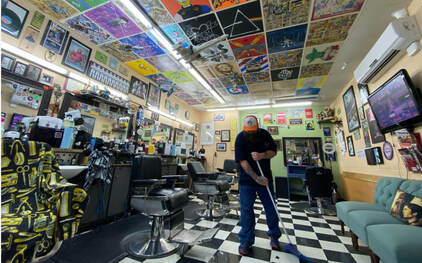
Grooming spaces must also focus on the organized storage and organization of sterilized equipment. Tools that have been disinfected or cleaned should be maintained in a dry, controlled area to prevent recontamination. Separate holders, ultraviolet (UV) cabinets, or sealed sterilization pouches can maintain equipment from airborne pathogens. Additionally, groomers should implement the habit of tagging sterilized tools and rotating them consistently to ensure consistent check this cleaning protocols. A organized method to equipment organization not only improves security but also demonstrates expertise to clients.
Instructing employees on proper sanitation techniques is another essential factor in maintaining sanitation protocols. Stylists and salon employees should get training on proper handwashing, wearing gloves, and the cleaning of high-touch Discover More surfaces such as seating, counters, and sinks. Regular instruction sessions and internal audits support that hygiene practices remain steady across the establishment. go to the website Instructing employees about the risks of microbial transfer and the value of compliance encourages a environment of hygiene and responsibility within the grooming establishment.
Frequent inspection and care of disinfection equipment also maintain hygiene excellence. Sterilizers, ultrasonic cleaners, and cleaning agents must be checked for effectiveness, and any faulty equipment should be serviced immediately. Following a written hygiene guide and maintaining thorough records of maintenance cycles additionally supports compliance with municipal health regulations. By combining effective instrument cleaning, organized handling, workforce instruction, and equipment maintenance, hair salons can ensure a professional, professional setting that prioritizes the health of each patron.